Our Services

Ten years of this work. Here is how we approach it.

Our engineering experience comes from inside an Illinois automation integrator, material handling and robotic work cells for manufacturers, across aerospace, automotive and general industry. Client work stays confidential, so what is below is the approach rather than the projects: the constraints that actually decide whether a subassembly works on the floor.
About Us
About Us
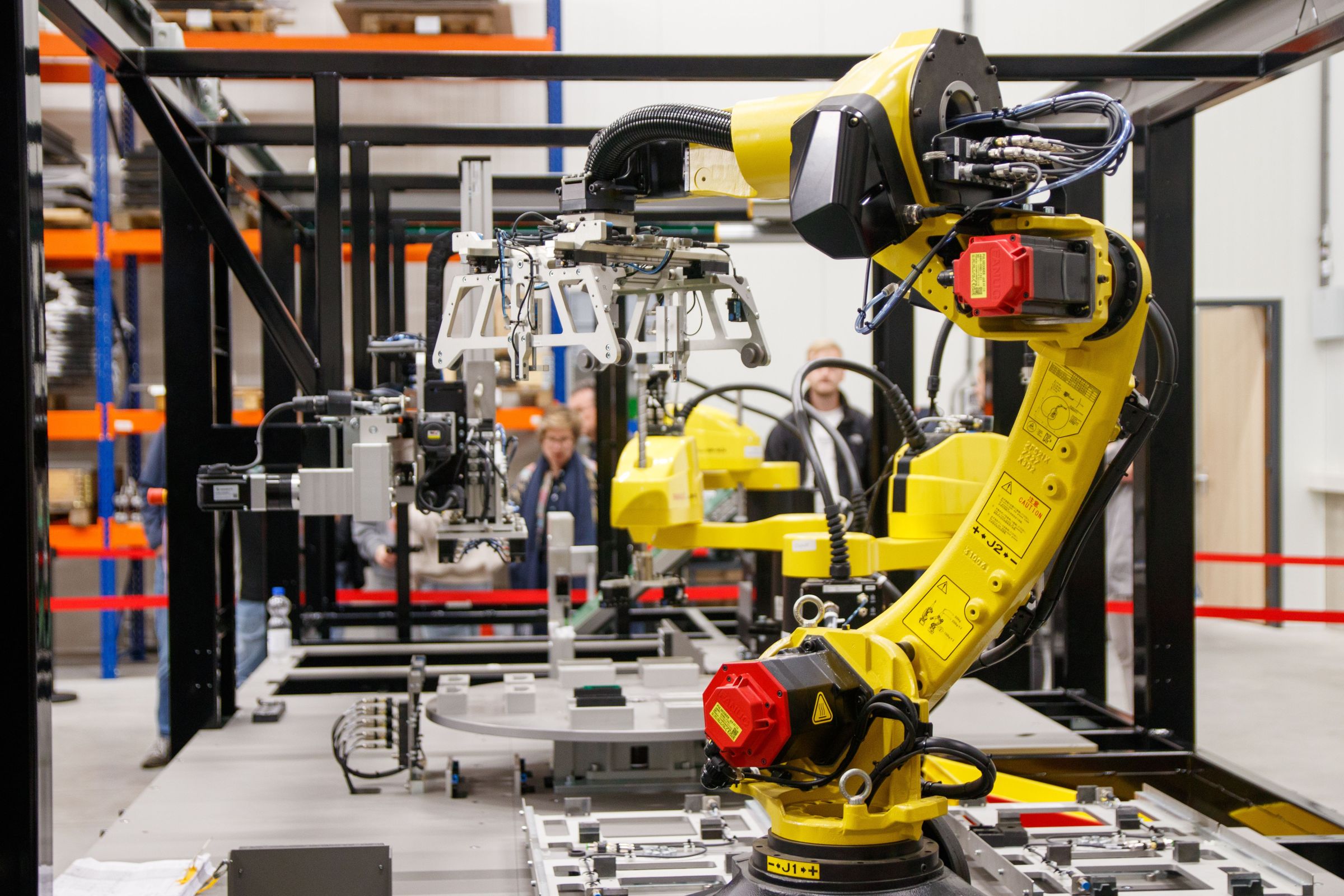
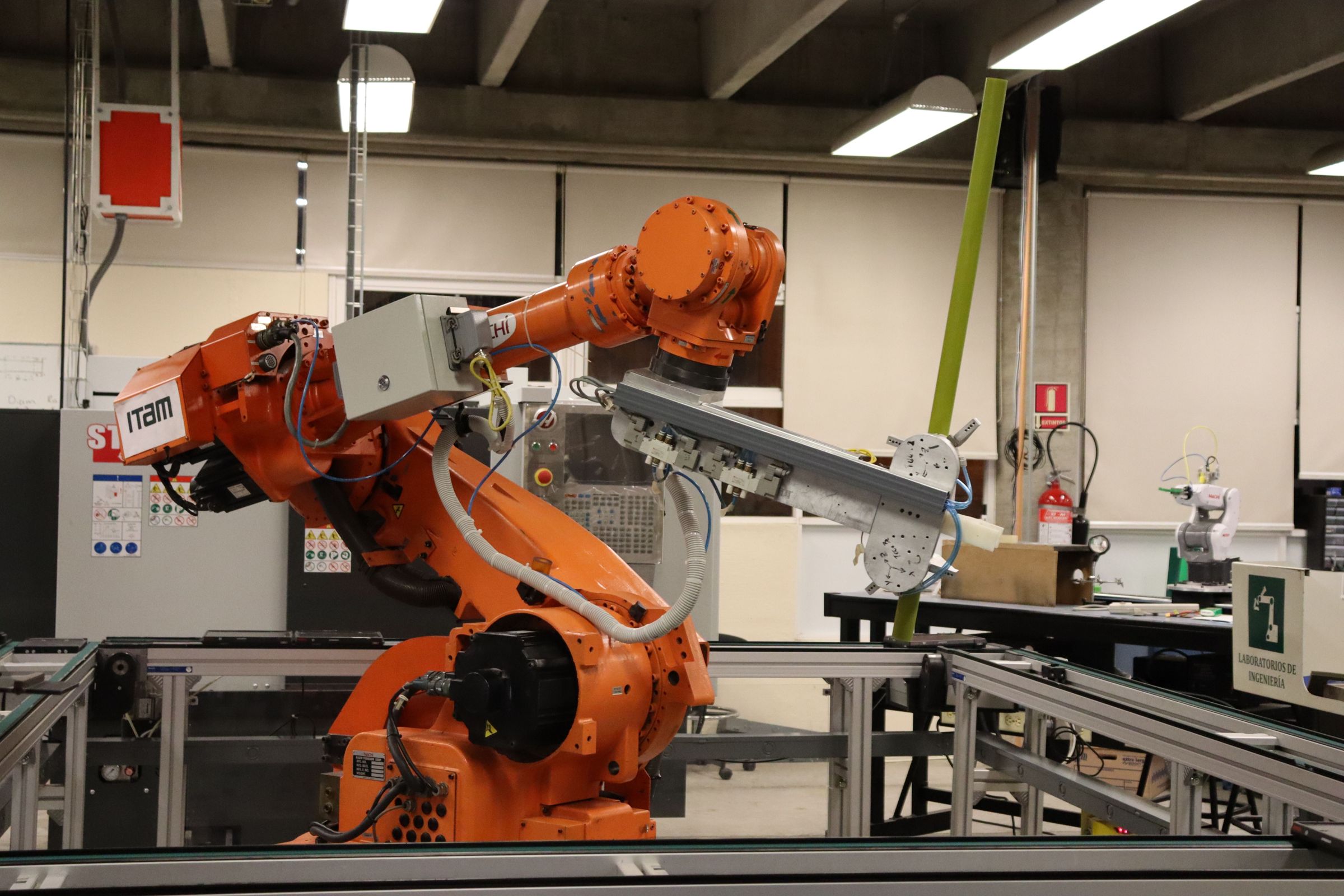
Industrial robot with cable dress pack and end-of-arm tooling over a conveyor
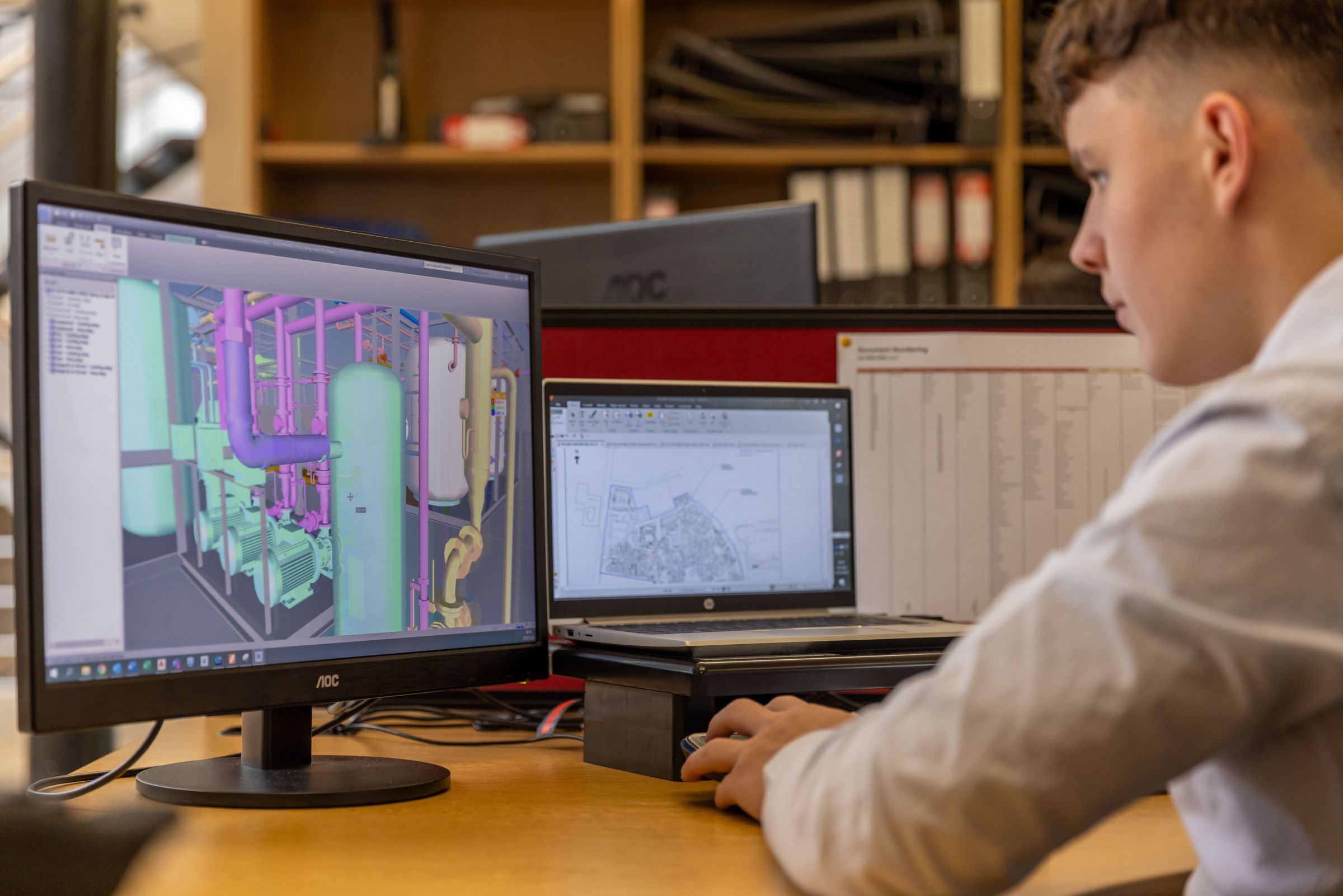
Engineer working on a 3D machine model in CAD
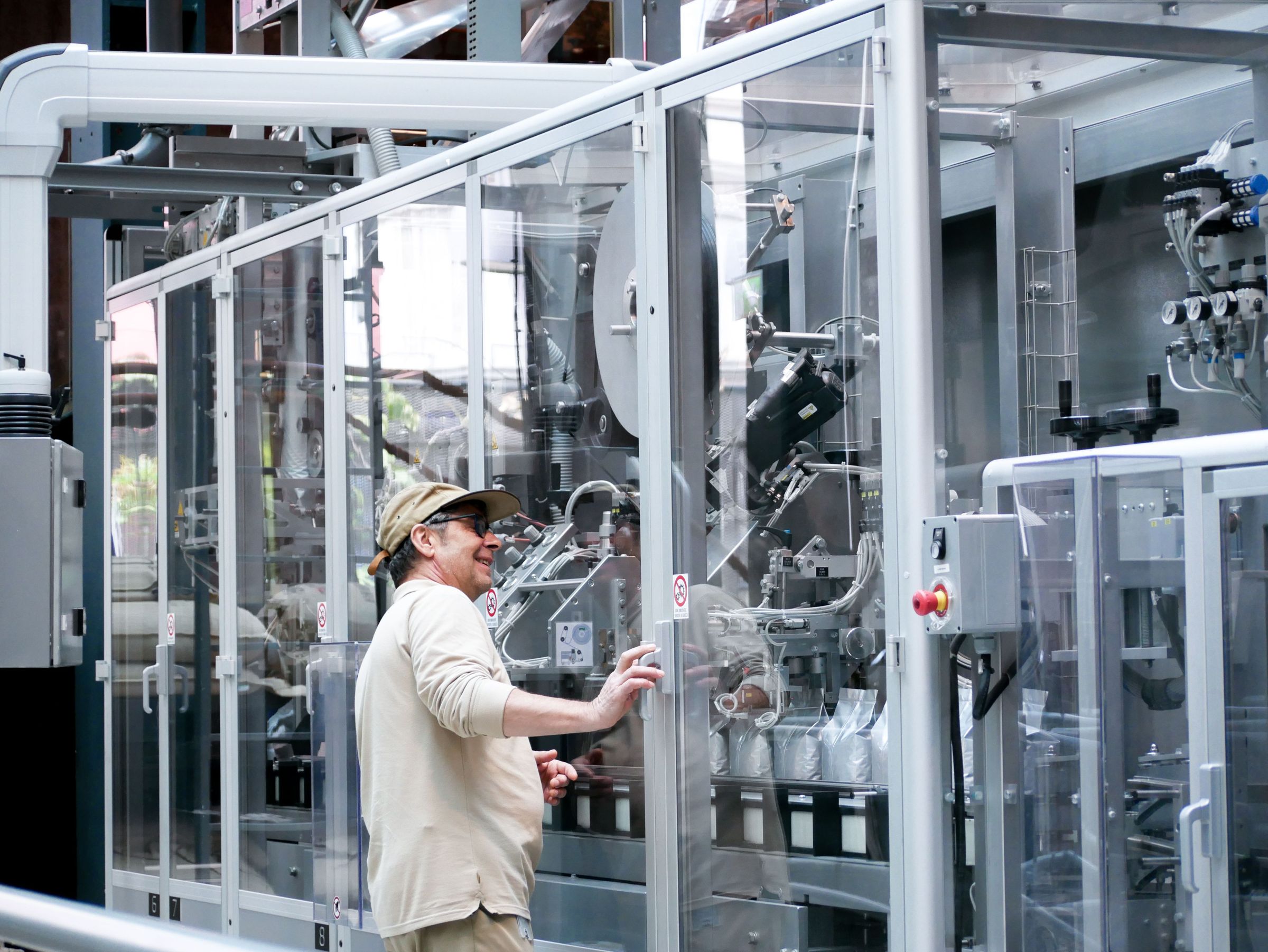
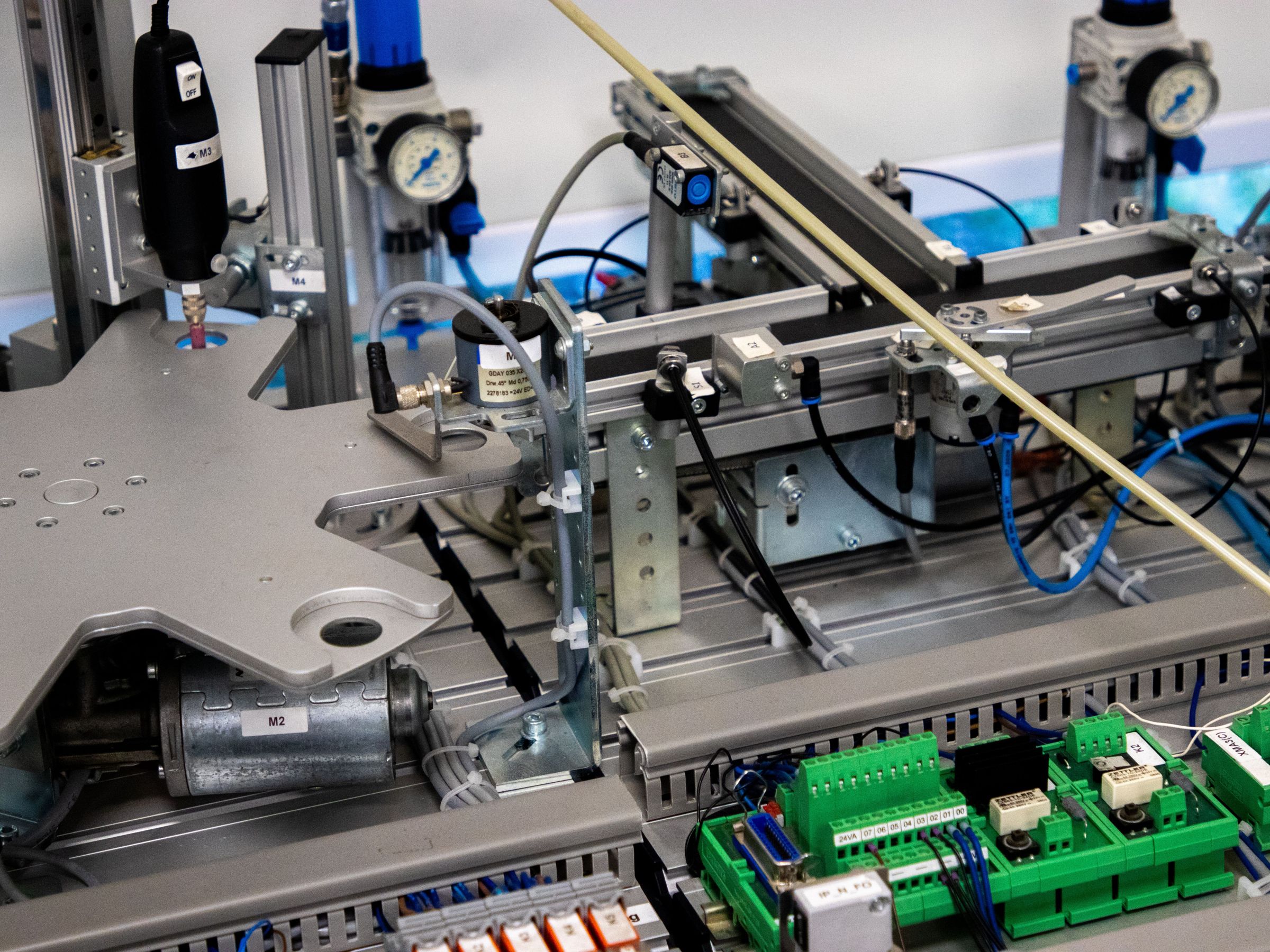
Close-up of a pneumatic assembly machine
Expert Solutions

Tooling built to your process, engineered to run right the first time.

EOAT & Grippers

Vacuum, pneumatic and mechanical EOAT for machine tending and transfer.

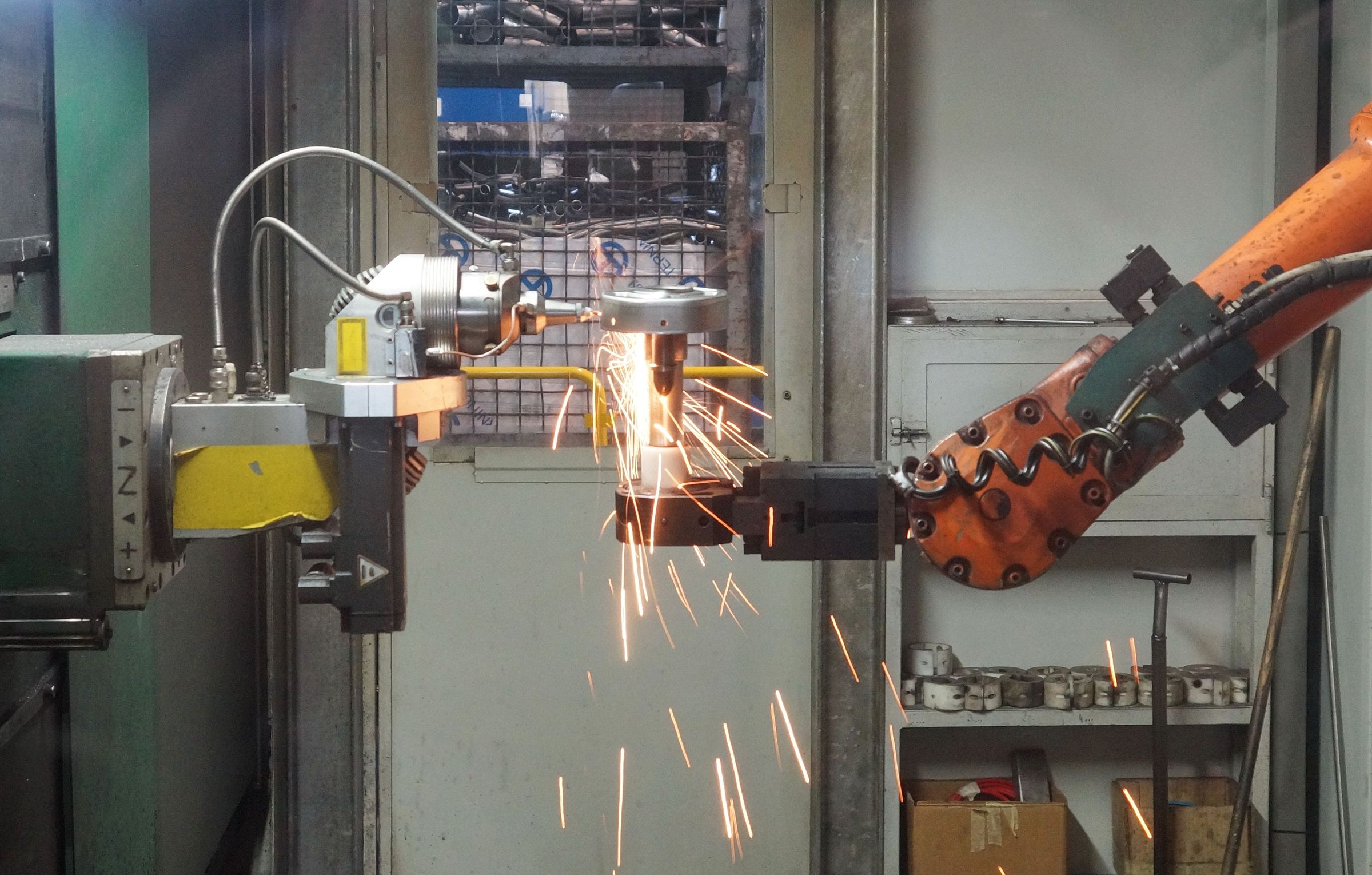
Welding robot with end-of-arm tooling

Fixtures & Nests

Locating and clamping that holds tolerance at rate.

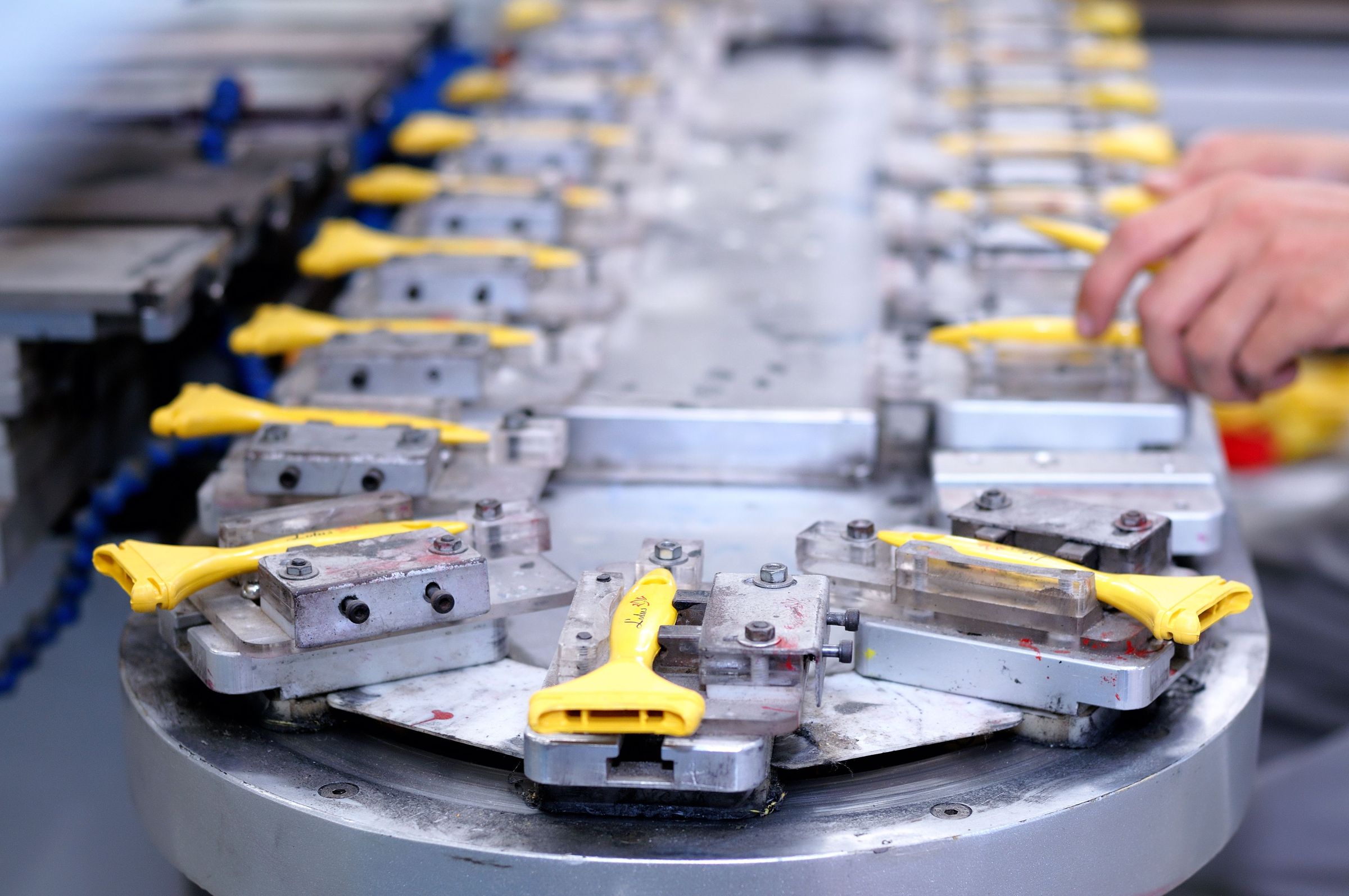
Assembly fixtures with toggle clamps on an indexing table

Escapements & Feed

Singulating parts into a repeatable pick position.

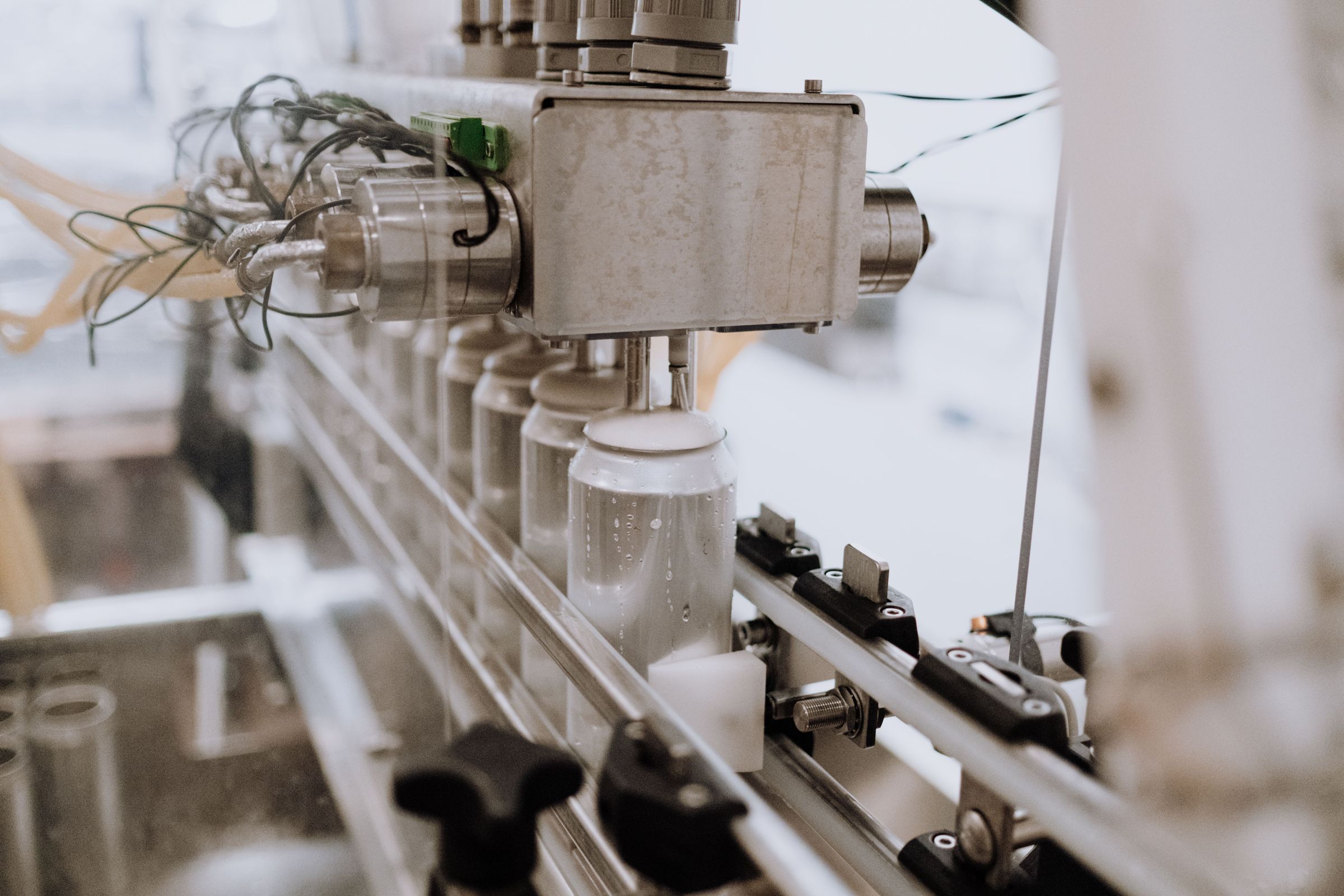
Filling line feeding containers under dispensing nozzles

Transfers & Conveyance

Moving product between operations at cycle.

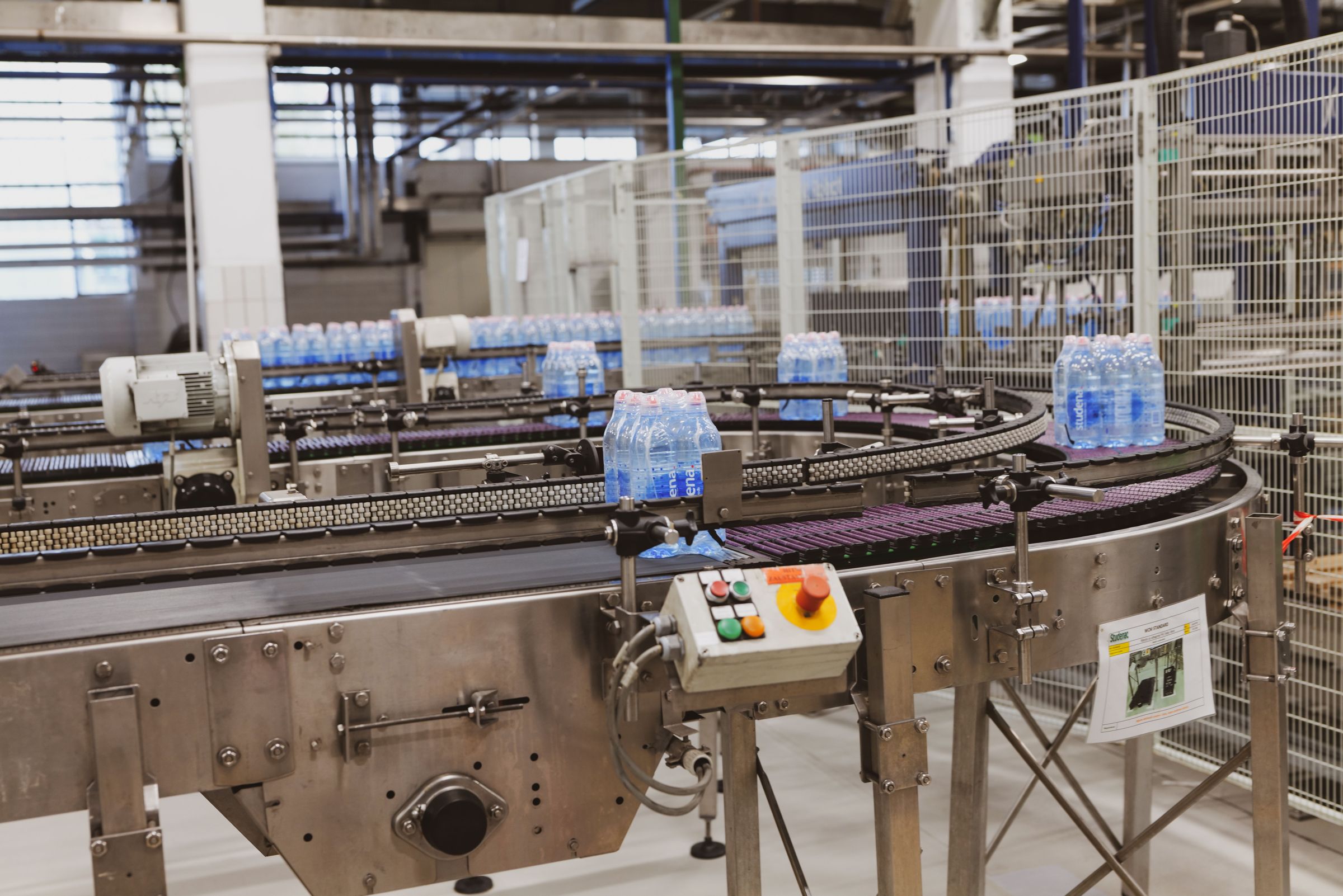
Curved conveyor transfer with an e-stop station

Frames & Guarding

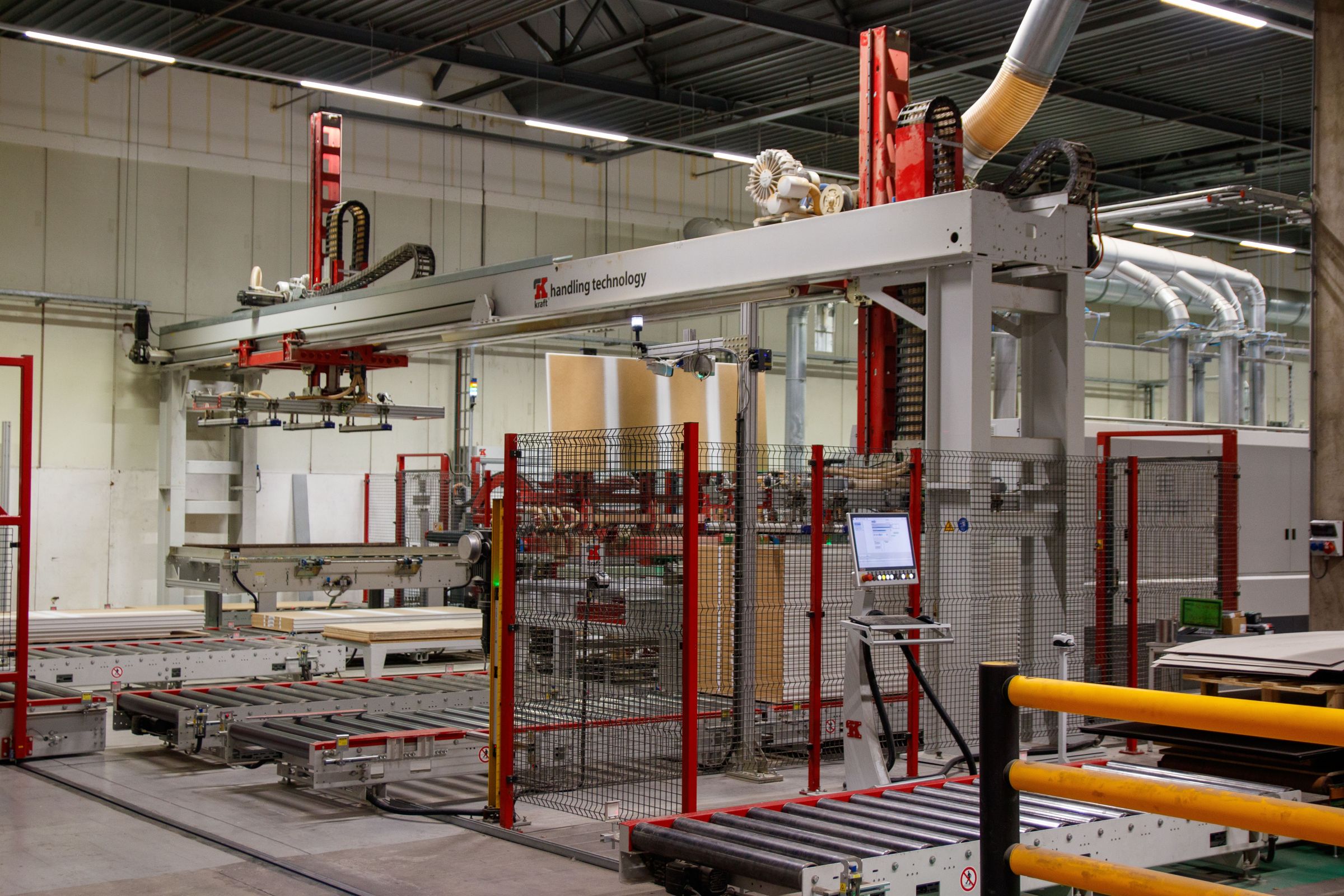
Welded and extrusion structures, hard guarding, access panels.

Gantry automation cell with safety fencing

Drawing Packages & BOM

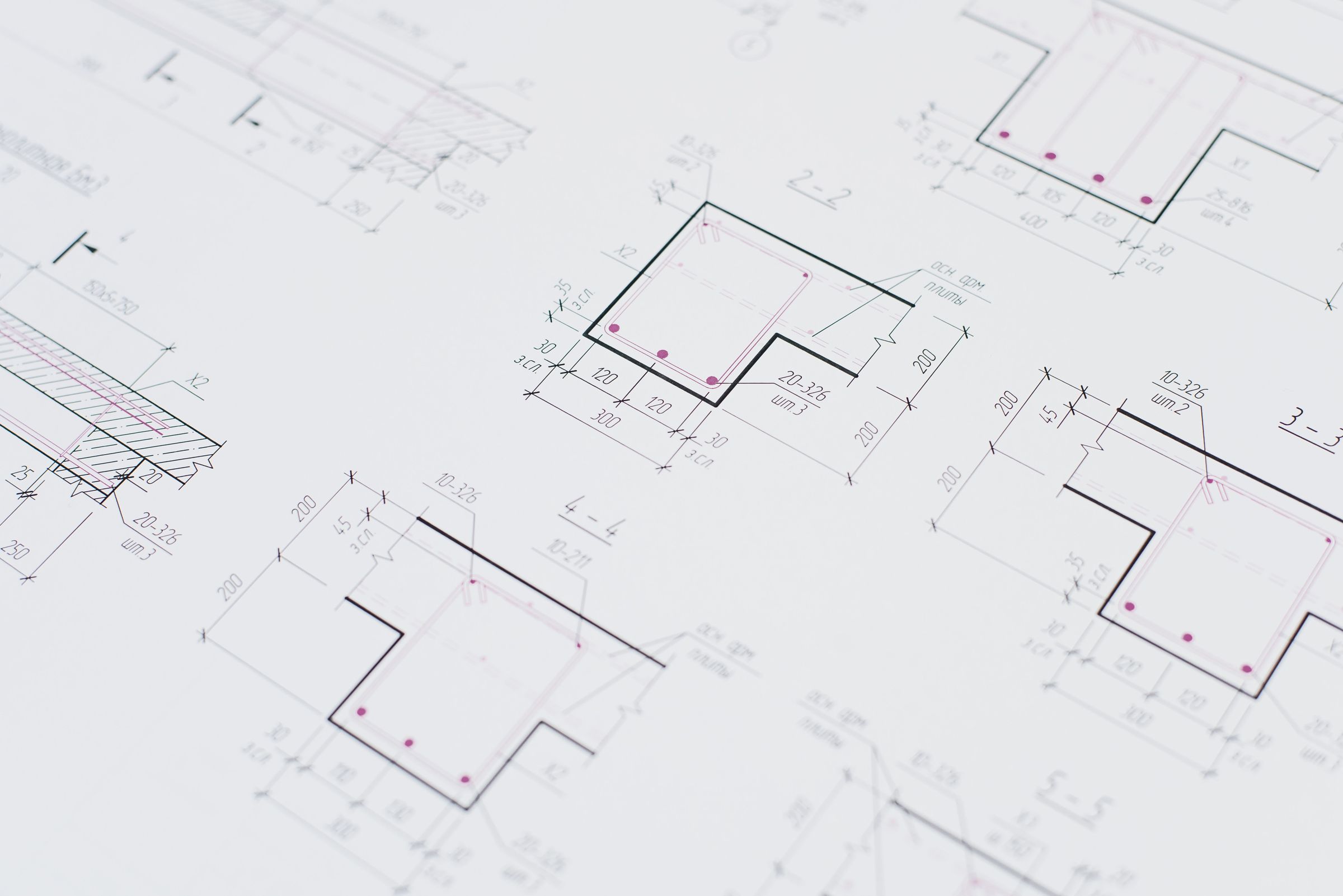
Taking an existing model to a release set.

Dimensioned engineering drawing
What we watch

What decides whether a subassembly works on the floor.
01
End-of-arm tooling and grippers

Vacuum, pneumatic and mechanical EOAT for machine tending and transfer. What we watch: payload and moment at the wrist with every gripper loaded, not the nominal case, plus gripper force against part finish, and whether the tool still clears the chuck at full stroke.

02
Fixtures, nests and part presentation

Locating and clamping that holds tolerance at rate. What we watch: the datum scheme first, because a nest referencing the wrong feature holds beautifully and still hands the robot a part in the wrong place, then chip and coolant escape, and whether an operator can load it wrong.

03
Escapements and feed

Singulating parts into a repeatable pick position. What we watch: the jam case, not the run case. Gravity feeds fail on the part that arrives tilted, so geometry that cannot accept a bad orientation beats a sensor that detects one.

04
Transfers and in-plant conveyance

Moving product between operations at cycle. What we watch: accumulation behaviour when the downstream station stops, which is the situation the line spends its bad days in, plus drive sizing with a real friction number rather than an optimistic one.

05
Frames, guarding and tool stands

Welded and extrusion structures, hard guarding, access panels. What we watch: maintenance access before aesthetics, deflection at the point that matters rather than at mid-span, and panel sizes a two-person crew can actually lift into place.

06
Drawing packages and BOM cleanup

Taking an existing model to a release set. What we watch: tolerances tightened only where function needs them, because over-toleranced drawings are how a $400 bracket happens, and long-lead items flagged in week one rather than discovered in week six.

07
48-hour design review

Send an existing model, get a written review back in two days: DFM, sourcing risk and failure modes, written up as a one-page memo you can hand to the person who drew it.